Good oral health is important for both children and adults. Looking after your teeth and gums helps stop pain, infections, and tooth decay. It also helps you feel confident, speak clearly, and eat a healthy diet.
Looking after your teeth helps keep your smile happy and strong!
Building healthy habits early can make a big difference. Simple daily routines such as; brushing teeth twice a day with fluoride toothpaste, limiting sugary foods and drinks, and visiting the dentist regularly, can help protect your family’s smiles for life!
For babies and young children, caring for teeth should begin as soon as the first tooth appears. Parents and carers play a key role in supporting brushing, encouraging healthy eating, and making dental visits a positive experience.
At your Family Hub, we can help you:
Learn how to brush teeth
Find a dentist near you
Get tips on healthy food and drinks
Help children feel happy about going to the dentist
A healthy smile starts with small steps every day!
You can help your little one maintain a lifetime of healthy smiles by teaching them good dental habits from an early age.
This includes regular brushing and not having sugary food and drinks.
Healthy teeth are important because they help your child to eat, speak, and smile confidently. Milk teeth also help to hold space for the adult teeth that come later.
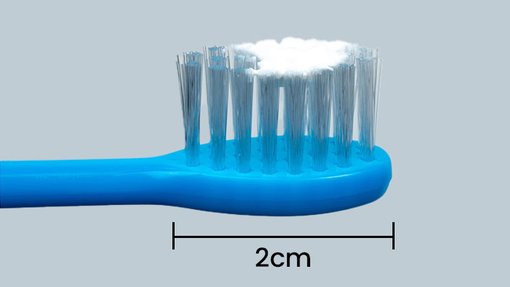
For babies and toddlers up to 3, brush last thing at night and on 1 other occasion.
Use a smear of toothpaste that contains at least 1,000 ppm (parts per million) fluoride. You can find this information on the back of the toothpaste packaging.
Babies under 1 year of age do not need snacks. If you think your baby is hungry in between meals, offer extra milk feeds instead.
At first you might not be able to brush much, and this is okay. The most important thing is to get your baby used to brushing their teeth as part of a daily routine.
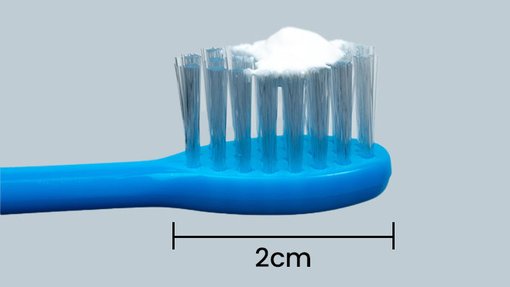
For children aged 3 to 6 years, you should help them to brush their teeth last thing at night and on 1 other occasion until they’re at least 7.
Use a pea sized amount of toothpaste that contains at least 1,000 ppm (parts per million) fluoride. You can find this information on the back of the toothpaste packaging.
Children aged 7 and over should be able to brush their own teeth, but it’s still a good idea to watch them to make sure they brush properly and for about 2 minutes.
Spit out after brushing and don’t rinse – if you rinse, the fluoride won’t work as well.
Adults should use a toothpaste that contains at least 1,350 parts per million (ppm) fluoride.
Children don’t need to use special children’s toothpaste. Children of all ages can use family toothpaste, as long as it contains 1,350 to 1,500ppm fluoride.
Children aged 3 and under who don’t have tooth decay can use a lower strength children’s toothpaste, but make sure it contains at least 1,000ppm fluoride.
Free and and emergency dental appointments
If you need emergency or urgent dental care you can get advice from NHS 111 or contact a dentist and ask for an appointment.
Most adults need to pay for a dental appointment, you can find out dental treatment costs here.
For information on who can get free dentistry and what to expect from your dentist, see how to find an NHS dentist.
Have regular dental check-ups!
Have regular check-ups with your dentist. Do not put off going for a check-up. Detecting problems early can mean they’re easier to treat.
If problems are not treated, they may lead to damage that’s harder, or even impossible, to repair.
There are a wide range of dental treatments available. Some, such as fillings and root canal treatment, are readily available on the NHS.
Others, such as dental implants, are only available on the NHS in certain circumstances.
Take your child to the dentist when their first milk teeth appear, or before they are 12 months old. This is so they become familiar with the environment and get to know the dentist.
The dentist can advise you on how to prevent decay and identify any oral health problems at an early stage. Just opening up the child’s mouth for the dentist to take a look at is useful practice for the future.
Free drop-in session to speak to our friendly navigators about any and all issues.
1pm - 2.30pm
Middleton Grange Family Hub
Every Monday
Wellies in the Woods (BOOKING ONLY)
Play group involving outdoor activities, story time and more. You must ring 014292444 to book your free place.
1pm - 2.30pm
Rossmere Family Hub
Every Monday
Baby Massage
Suitable for babies up to 6 months. Please bring a towel. Contact Family Hubs Admin for dates/times.
9.15am - 10.15am & 10.45am - 11.45am
Rossmere Family Hub
Every Monday
Health Visitor Advice Drop-In & Baby Weigh Clinic
Play opportunity for non-walkers, baby weigh in and get your free healthy start scheme vitamins.
9.30am - 11am
Miers Avenue Family Hub
Every Monday
Feeding and Development Drop-In
Drop-in group. Support and advice around all methods of feeding - ran by infant feeding team.
1pm - 2.30pm
Middleton Grange Family Hub
Every Tuesday
Parent and Toddler
For under 5's - small fee applies.
10am - 11.30am
Community Hub Central
Tuesday Monthly
Introducing Solids
FREE Monthly Session. Introduce your baby to a range of solid foods and get tips, advice and guidance.
Contact Family Hubs Admin for dates/times
Miers Avenue Family Hub
Every Tuesday
Free Play Session
Drop-in group. Come and join us for a fun session for all children under 5 years.
1pm - 2.30pm
Middleton Grange Family Hub
1st Tuesday of the Month
3-4 Month Drop In Session
Covers development milestones, emotional wellbeing, introducing solids and an opportunity to review your baby's weight.
10am - 11am
Middleton Grange Family Hub
3rd Tuesday of the Month
3-4 Month Drop In Session
Covers development milestones, emotional wellbeing, introducing solids and an opportunity to review your baby's weight.
1pm - 2pm
Rossmere Family Hub
Register with us
Fill out the regsitration form below for updates on our in person and virtual classes and other types of support relevant to you! Please download and read the Consent Form before applying.
Register with us
Fill out the form below for updates on our in person and virtual classes and other types of support relevant to you! Please download and read the Consent Form before applying.
We use cookies to ensure that we give you the best experience on our website. If you continue to use this site we will assume that you are happy with it.